In this article
Nobody puts “active bike lane removal campaign” in the city’s relocation brochure. They do put Walk Score, and transit ratings, and maybe a photograph of someone in a helmet looking thrilled about it. What they leave out is whether the people running that city are currently trying to tear the infrastructure up.
That gap between the brochure and the reality is worth understanding before you move somewhere.
What’s Happening in Toronto - and Why It Matters Here
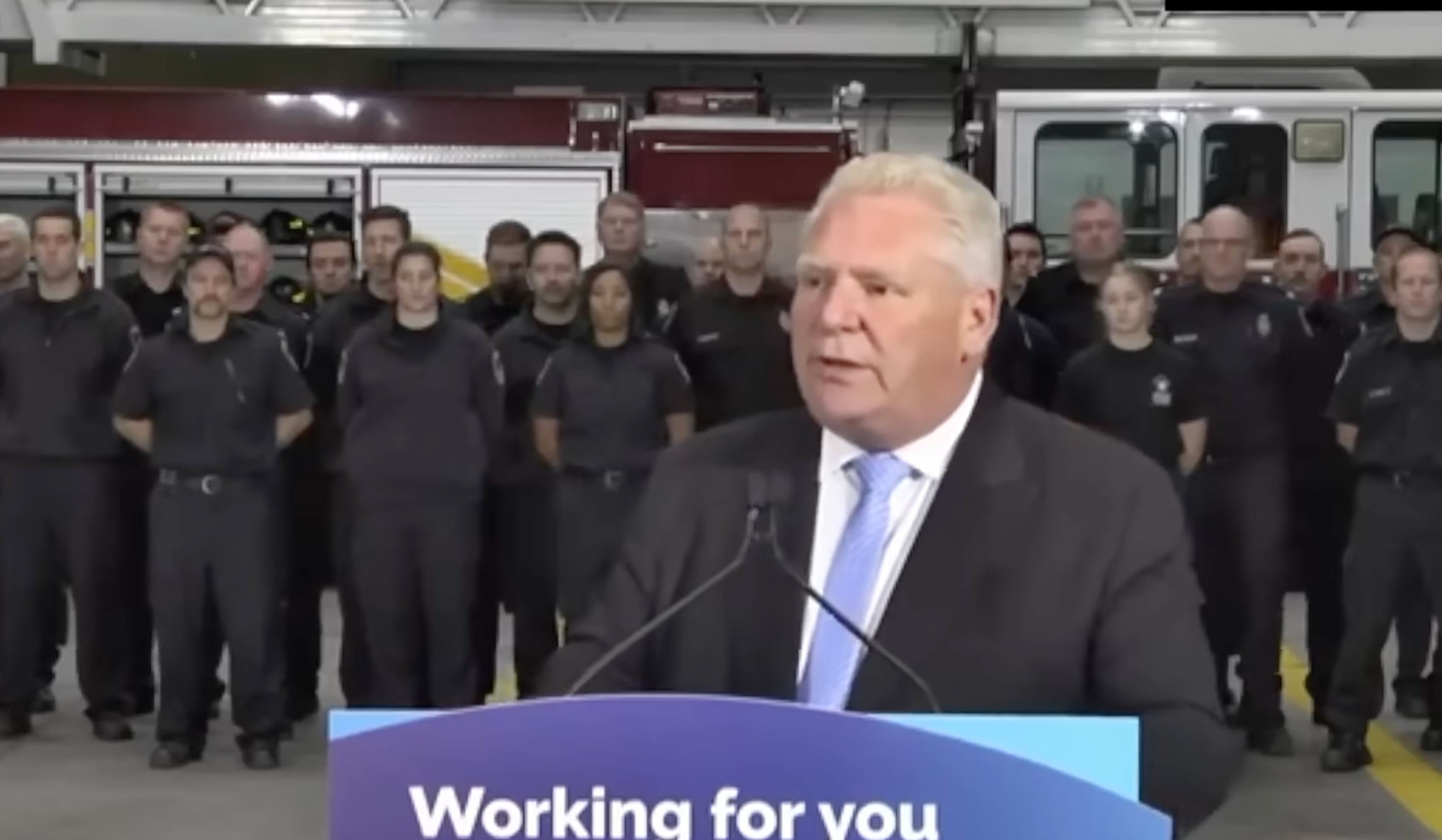
Toronto’s provincial government has been pushing to remove bike lanes from major city streets. The effort sparked significant activist pushback, enough to make news across North America. Journalist Desmond Cole, writing for The Breach, broke down what he calls the “right wing playbook” behind these removal campaigns - and the argument he makes applies well beyond Ontario.
The short version: the congestion argument is largely a pretext. Cole’s piece makes clear that the real logic of these campaigns has more to do with who rides bikes than with traffic flow. Cyclists in most North American cities skew younger, lower-income, or car-free by necessity - people who are, in the blunt arithmetic of local politics, less likely to be the constituency a certain kind of politician is optimizing for. Remove the infrastructure, and you’re not solving congestion. You’re just making a particular kind of street use untenable for a particular kind of person.
This is happening on the American side of the border too, in cities large and small.
The Thing a Hospital Social Worker Understands That Traffic Engineers Often Don’t
One of the sharpest voices in Cole’s reporting is a hospital social worker who treats people injured in car-on-bike crashes. She’s not a transportation planner. She doesn’t have a policy portfolio. What she has is a waiting room, and it keeps filling up.
Her position is simple: protected infrastructure saves bodies. Painted lines don’t. A sharrow - that little bicycle-and-chevron symbol stenciled onto a lane of moving traffic - is not bike infrastructure. It’s a suggestion, addressed to drivers, that a human being on a bicycle might also be using this road. The suggestion is frequently ignored.
When a city removes a protected lane and replaces it with nothing, or with sharrows, or with the implicit promise that drivers will be courteous, that’s a policy choice with clinical consequences. The social worker sees them.
What to Actually Look For When You’re Evaluating a City
If you’re relocating and you want to understand how a city manages street space, the bike lane question is a useful proxy - not because you necessarily plan to cycle, but because it tells you something about political culture and whose friction local government treats as the problem worth solving.
A few things worth checking:
What’s the trend line, not just the current map? A city with thirty miles of protected lanes that’s been quietly defunding maintenance and declining to build more is in a different position than a city with fifteen miles that added three more last year. The direction matters as much as the number.
Who’s fighting about it, and how? A healthy debate about lane placement or design is normal. A campaign explicitly framed around “taking the roads back” or punishing cyclists for congestion is a tell. Look at who the local business improvement districts are backing and what the city council’s last transportation vote actually was.
Is the infrastructure protected or painted? Concrete curbs, flexible delineator posts, or parked cars used as a buffer: these are real. A stripe of paint between a bike rider and a lane of moving traffic is not nothing, but it’s close.
Does the city charge for parking near these lanes? Free parking adjacent to a bike lane is a political statement. It says the city values car storage more than safe passage, and it’s usually an accurate indicator of which way future fights will go.
The Relocation Version of This Question
Here’s what this means practically: if you’re considering a mid-sized American city and you’re trying to understand whether it’s a place that invests in the kind of infrastructure that makes car-free or car-light living viable, don’t just look at what exists. Look at what’s under political pressure.
A city where local officials are running on a platform of removing bike lanes is telling you something. It’s telling you that a bloc of voters and donors finds the existence of that infrastructure threatening enough to campaign against. That’s information about the political economy of the place - what kinds of residents it’s optimizing for, and what kinds it’s willing to inconvenience.
The social worker Cole interviewed wasn’t making a point about urban planning theory. She was describing patients. When a city decides that painted infrastructure is sufficient, or that lanes should go entirely, those decisions eventually arrive in hospital waiting rooms. The question for someone thinking about relocating isn’t whether they agree with the politics. It’s whether they want to live somewhere the political argument is still being relitigated from first principles.
In some cities, the bike lane is already gone. Nobody’s put that in the brochure either.