Historic Oakwood
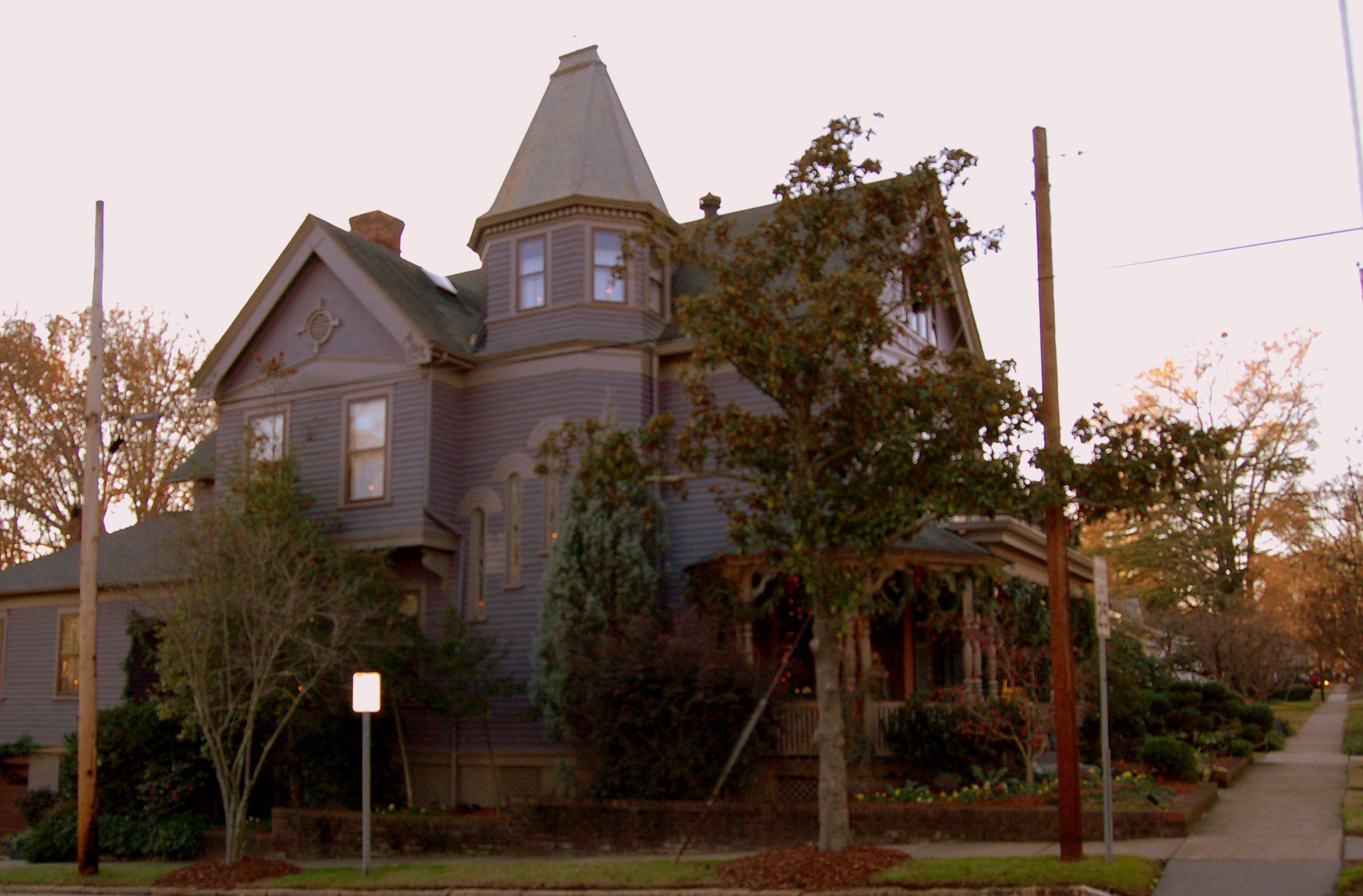
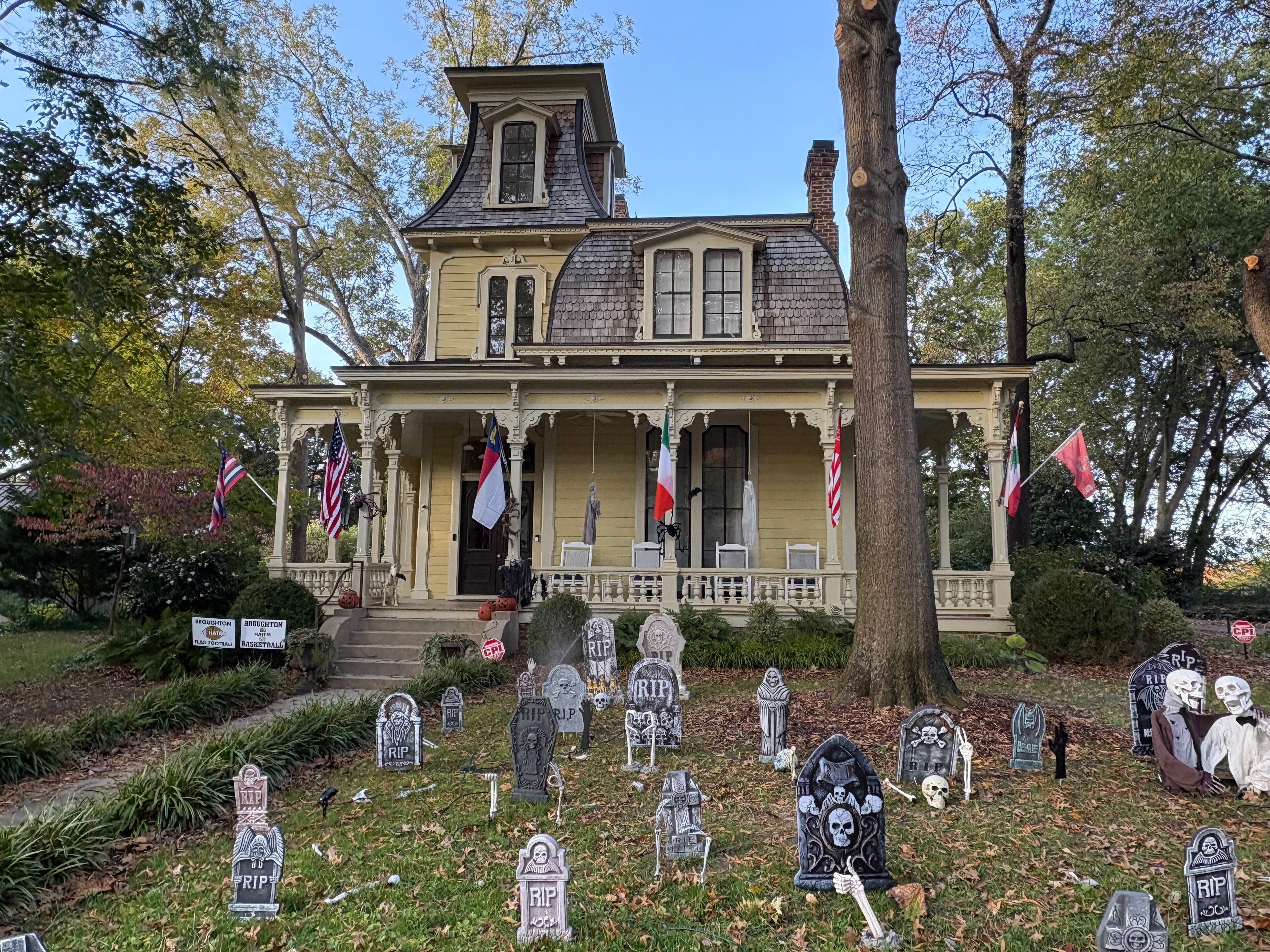
The city's largest intact 19th-century neighborhood — Victorian and Second Empire houses on a shaded grid, a short walk from downtown. Porches do real social work here; so does the famous Halloween house.
Walk OakwoodNorth Carolina's capital is a city of porches, universities and oak canopy — a place that grew fast without losing the feeling of a town. Here is how Raleigh is put together, neighborhood by neighborhood, for anyone thinking of calling it home.
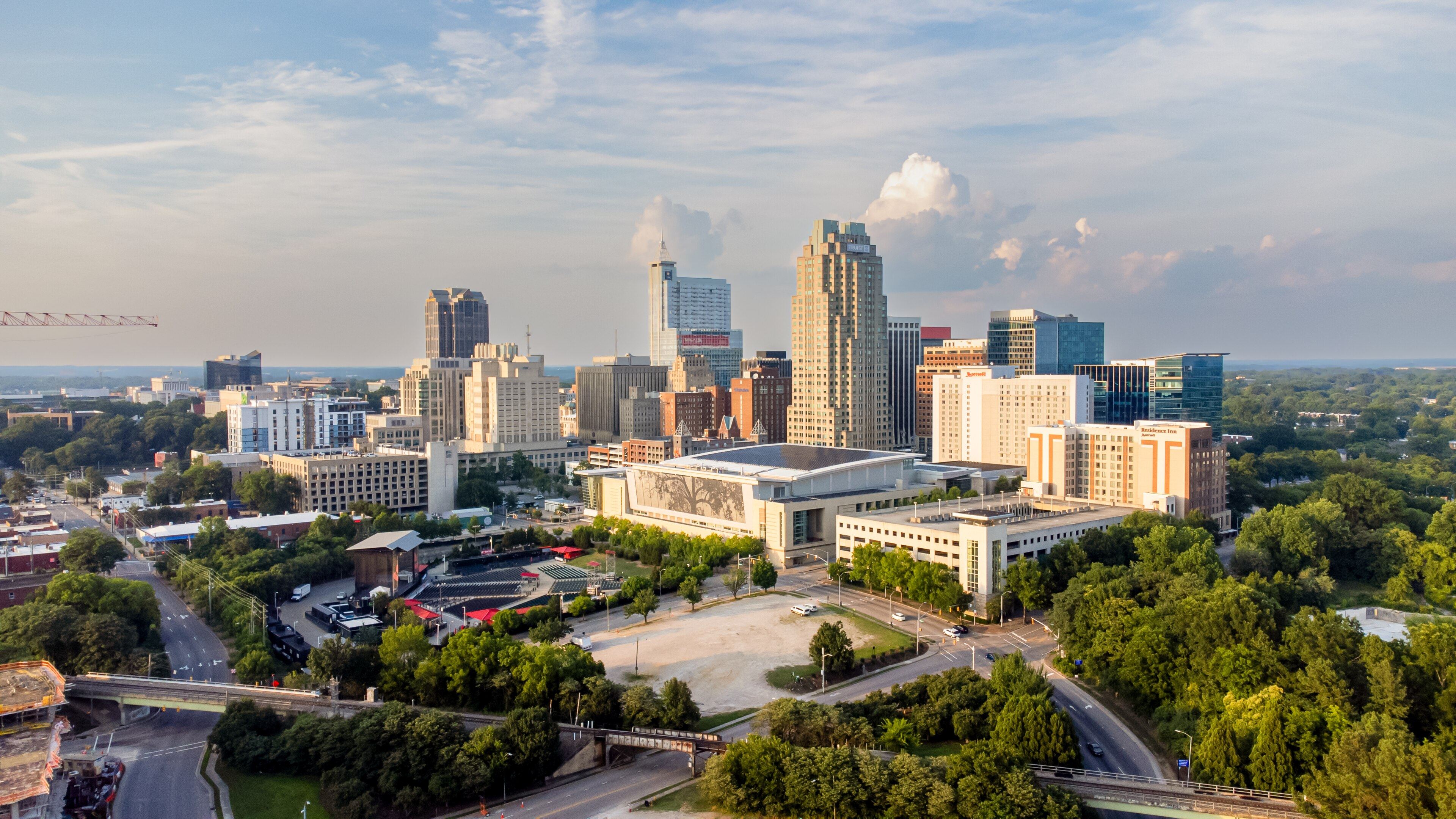
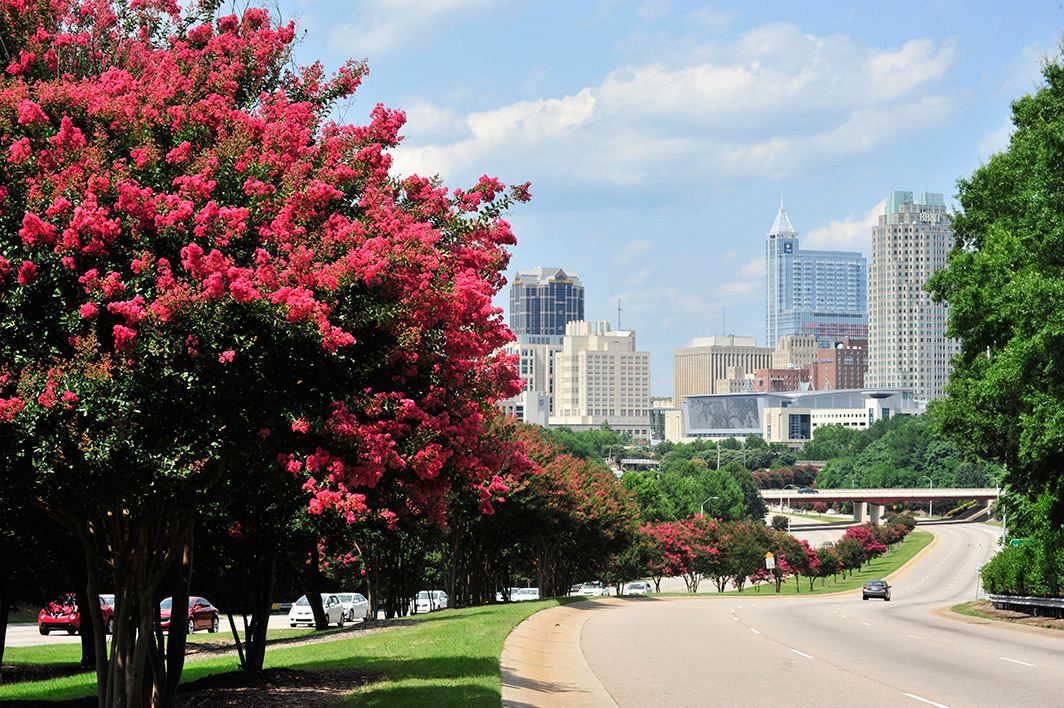
Raleigh rewards slow attention. Downtown is compact and low-slung, ringed by residential streets where hundred-year-old oaks meet front porches and sidewalk chalk. A few minutes out, the city loosens into leafy inner suburbs, then into the broader Research Triangle it shares with Durham and Chapel Hill.
It is a university town at heart — NC State sets the rhythm on the west side — but it carries itself like a capital, with museums, a farmers market and a greenway network that threads the whole region together. Newcomers tend to arrive for a job and stay for the trees.
The city's largest intact 19th-century neighborhood — Victorian and Second Empire houses on a shaded grid, a short walk from downtown. Porches do real social work here; so does the famous Halloween house.
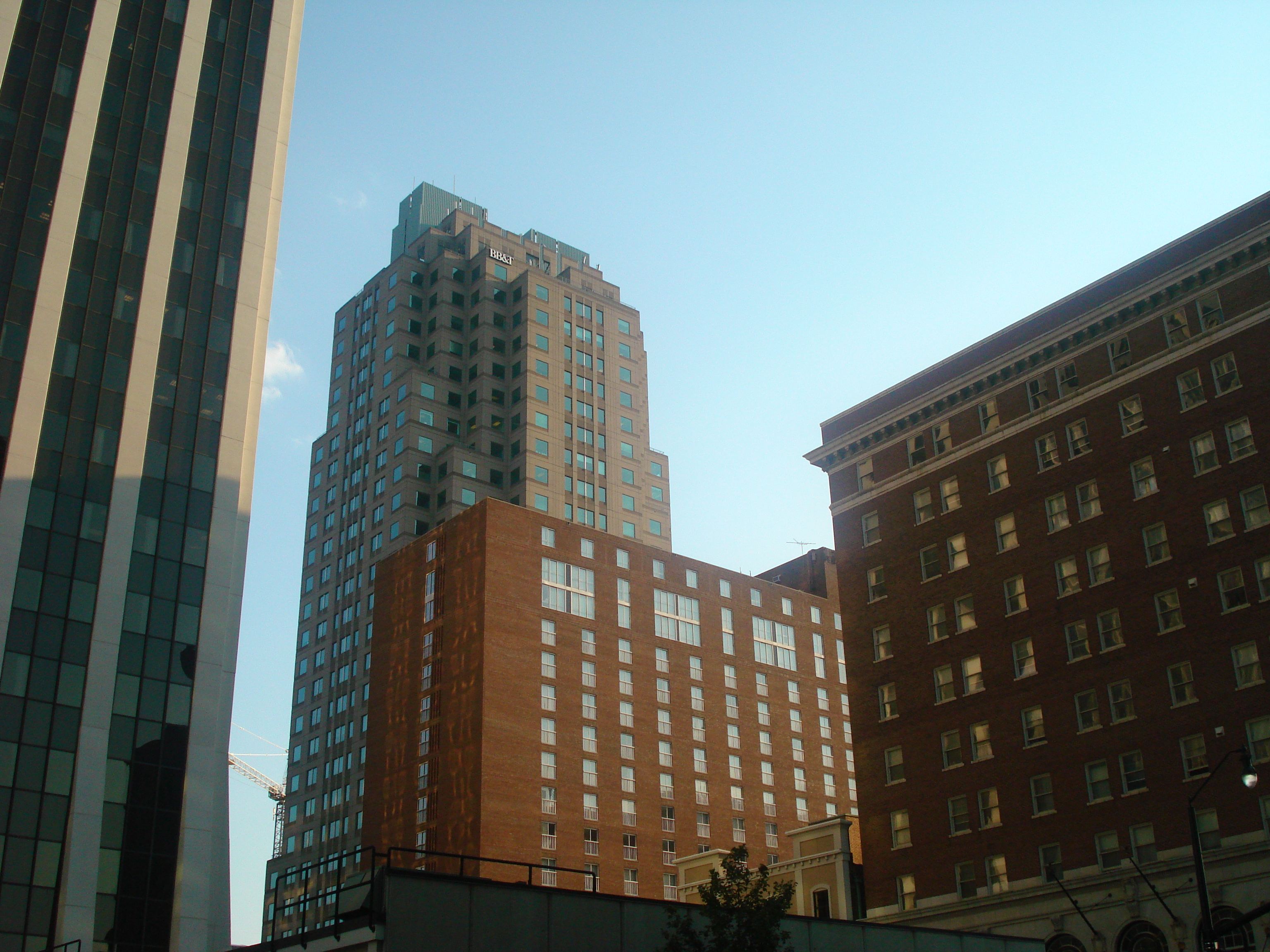
Walk OakwoodDowntown's most energetic strip — restaurants, rooftop bars and new mid-rise apartments. Where young professionals land first, before they decide whether they want a yard or a short walk to dinner.
See the district
A built-from-scratch "second downtown" — walkable in a planned way, shops below and apartments above.
A small, hilly historic pocket beside Dix Park, known for its art walk and skyline views.
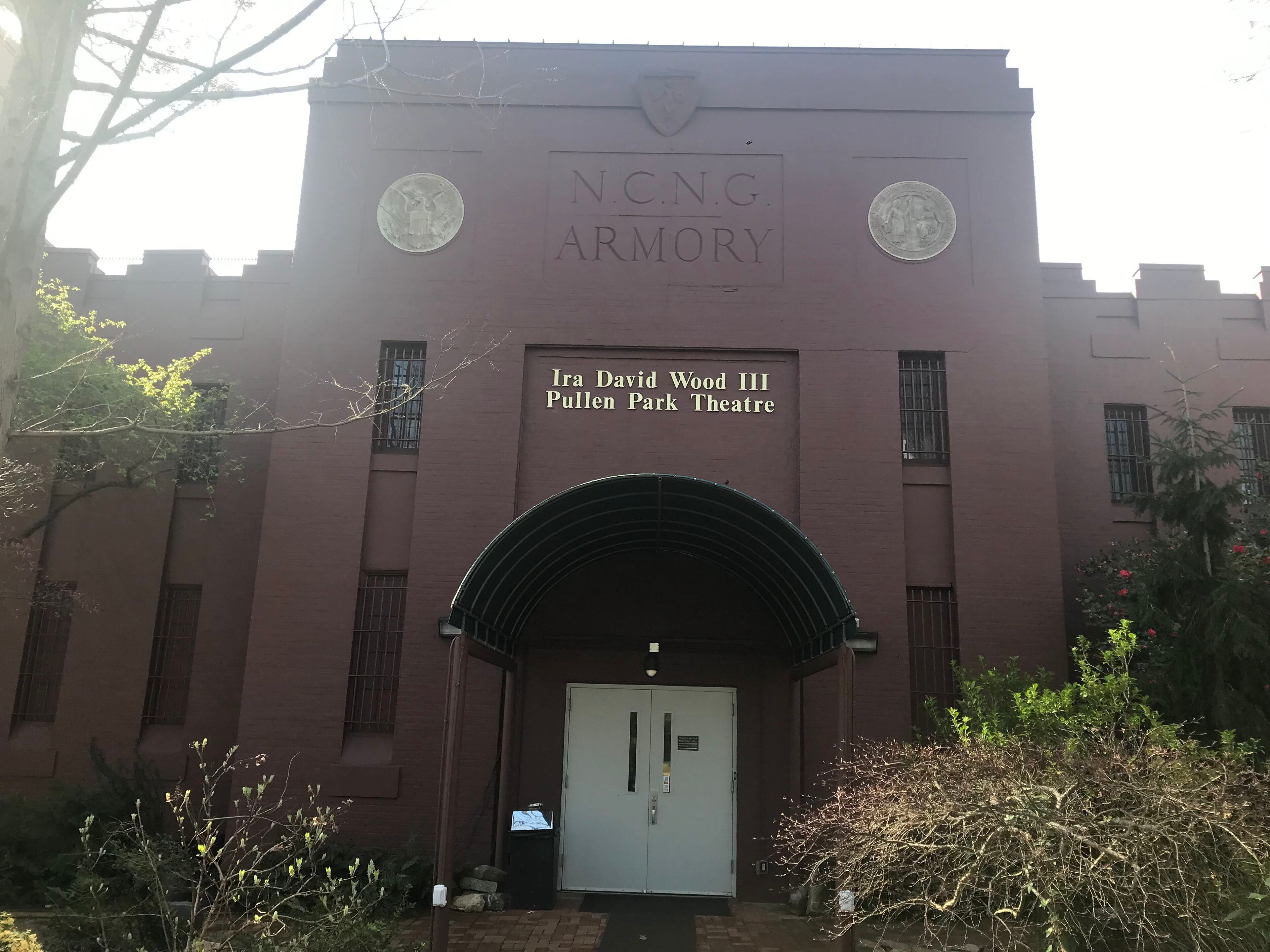
Bungalows, a vintage theater and a coffee-shop corner — the archetypal Raleigh inner suburb.
"You measure Raleigh in shade and greenways. The whole city is designed to be walked under trees."
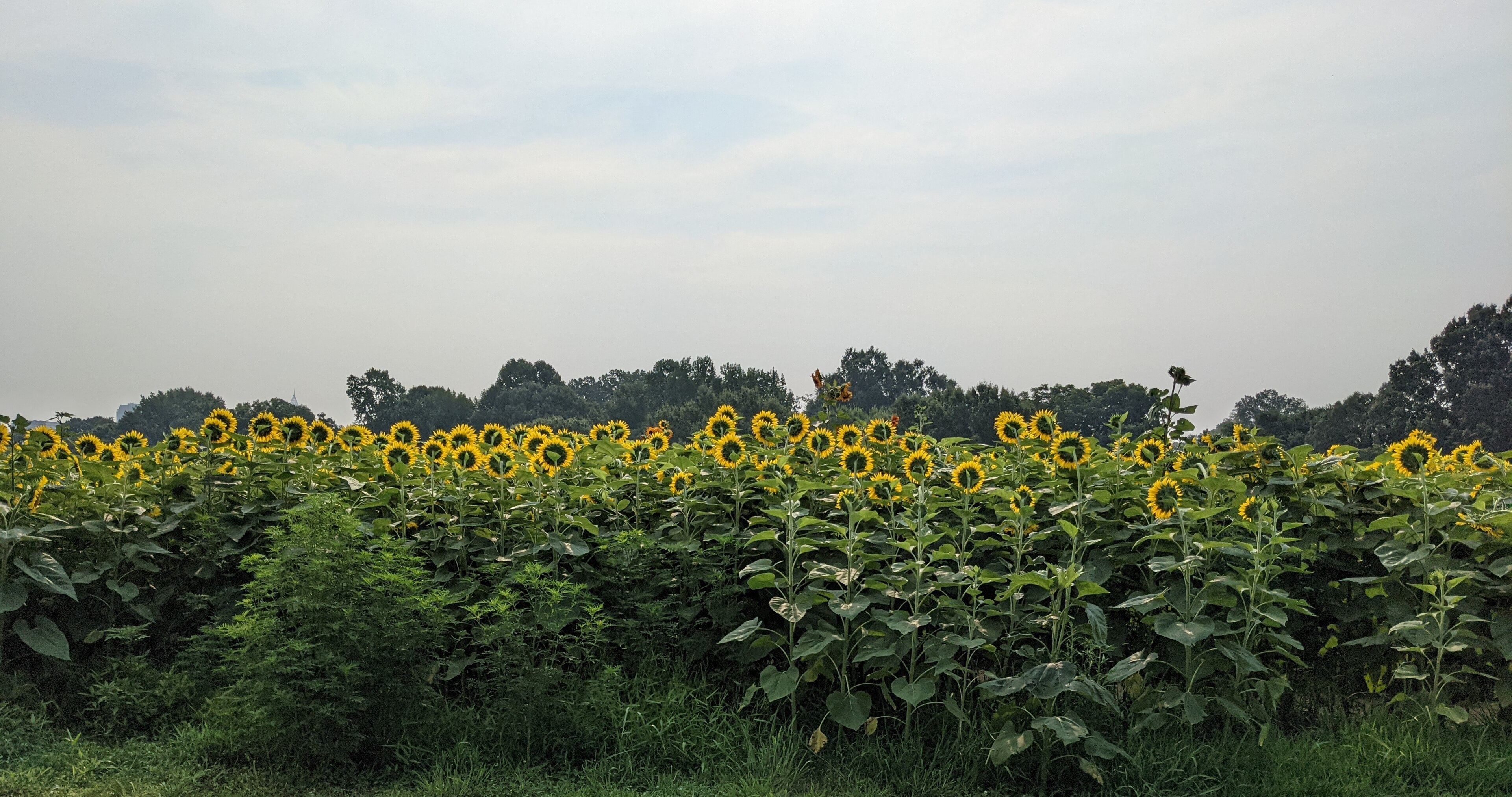
Dix Park's meadows and summer sunflowers sit minutes from downtown; a greenway network links parks across the region.
The State Farmers Market anchors a scene that runs from barbecue institutions to new independent restaurants.
Most trips happen by car, but downtown, NC State and the greenways reward walking — and the airport keeps the coast close.
Education shapes daily life here more than in most cities its size. NC State sits on the west edge of downtown; Meredith, Shaw and a ring of Triangle universities keep the region young and give it an outsized supply of libraries, lectures and student-town coffee shops.
For families, Raleigh sits inside one large countywide public school system that uses assignment zones rather than simple street boundaries — so where you live and where your children go to school are worth researching together, early.
Below big-coastal cities, but climbing. Rent varies sharply downtown vs. inner suburbs.
Four real seasons: humid summers, mild falls, short winters, a pollen-dusted spring.
Rent near downtown or NC State for a season before committing further out.
Learn the Triangle early — jobs, flights and weekends happen in Durham and Chapel Hill too.