In this article
The cultural life of a city isn’t the thing you find on the tourism board’s website. It’s the thing happening on a Saturday in a park that nobody thought to put in your relocation packet.
At a recent Lenape powwow in Prospect Park, dancers from Bridgeton, New Jersey; Marty, South Dakota; Bowler, Wisconsin; and points between converged on Brooklyn to drum, sing, and compete in dance contests. The event drew Indigenous people from across the country - and it was, in every practical sense, invisible to most people who have recently moved to the borough and spent their first six months googling “best neighborhoods in Brooklyn.”
That gap says something worth sitting with before you choose a city.
What You’re Actually Evaluating When You Relocate
Most people moving to a new city run the same checklist: housing costs, commute times, school ratings on a website that flattens everything into a single number, maybe a walk score. What they rarely assess is the texture of the cultural life they’ll be stepping into - and whether that life has any depth to it, or whether it’s all new construction and pop-up markets.
A powwow is a useful lens here, and not in a symbolic way.
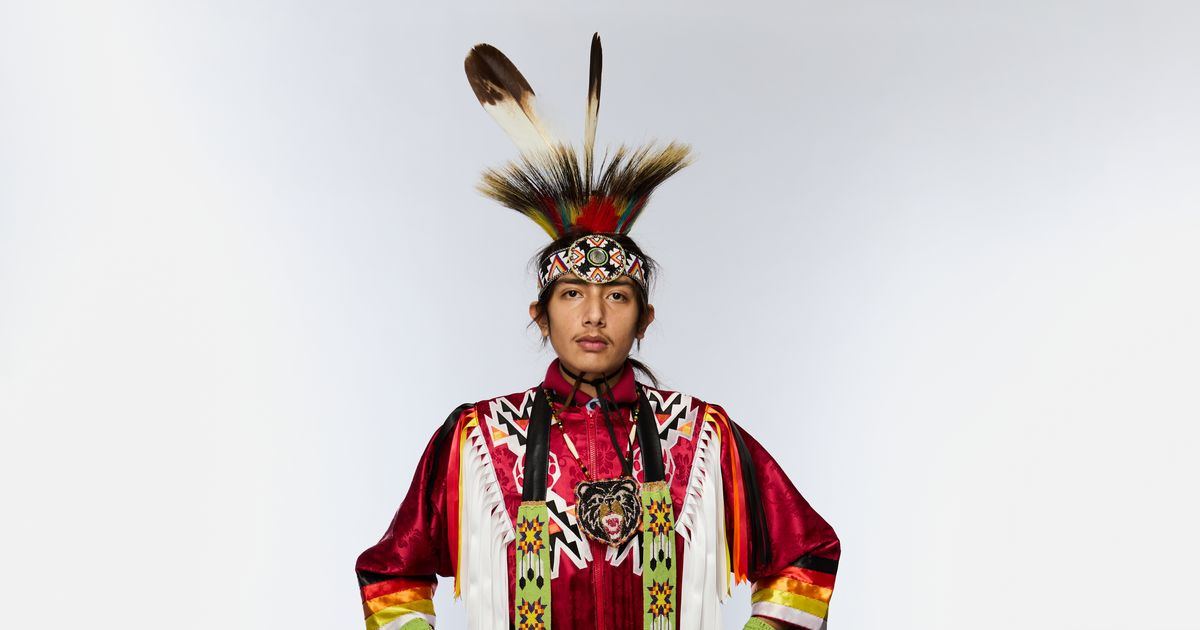
Cory Ridgeway, a program specialist from Cedarville, New Jersey who attended the Prospect Park gathering, described the floral work on his regalia as a marker of woodland origins - ribbon work traditional to Lenape people, mixed with contemporary fabrics. That coexistence of old form and new material is exactly what distinguishes a city with genuine cultural roots from one performing culture for incoming residents. You can feel the difference. It’s harder to articulate than a median home price, but it’s real.
George Stonefish, a consultant from East New York - Joe Namath lived around the corner from where he grew up, he’ll tell you - spent summers with his grandmother in Canada learning about powwows and ceremonies. “It taught me to be versatile,” he said. “I can deal with rich white people and I don’t get intimidated. And then I go to a reservation and I fit right the fuck in.” That kind of social range, the ability to move across the full register of a city’s actual population, is something you only develop if the city you’re living in has a full register to move across.
The Suppression History That New Residents Don’t Know
Kiara Tanta-Quidgeon, an Indigenous-health researcher from Boston, put it plainly to first-time powwow attendees: for a long time, there was a legal prohibition on these dances by the colonial government. The fact that the dances continue - that people are still traveling from South Dakota and Wisconsin to do this in a Brooklyn park - is not incidental. It’s the result of sustained, deliberate effort across generations.
A cultural keeper from Bowler, Wisconsin, described what that effort costs. For many years, her family wasn’t able to speak their language openly. Elders would go to another room to talk, away from the children. What gets transmitted under those conditions is trauma as much as tradition, and what gets lost requires generations to recover.
This matters to a relocation guide because it is the backstory of almost every American city you’re considering. The land under your prospective two-bedroom has a history that precedes the current zoning map by centuries. Most newcomers never learn it. Some cities make it easier to encounter than others.
New York, whatever its failures, puts this history in front of you if you’re willing to be in a park on the right Saturday.
What Schools Aren’t Teaching, and Where Kids Are Learning It
Several of the participants at the powwow were school-age children - a tenth-grader from Salamanca, a fifth-grader from Cedarville, a twelfth-grader from Bridgeton. Their presence wasn’t incidental. For many of them, this is part of how they learn things that no school curriculum currently covers with any seriousness.
A tenth-grader from Salamanca, Seneca, is clear that the powwow isn’t strictly his tradition - the smoke dance, a fast-paced contest that historically cleared longhouses of smoke, belongs to his own community’s customs. He’s there because he finds it meaningful. That kind of cross-tribal learning, a kid from one nation paying attention to the practices of another, happens outside classrooms.
If you’re relocating with children, the question isn’t just what the local public school’s test scores look like. It’s what your kids will be exposed to that isn’t in any curriculum. A city that hosts events like this - without corporate sponsorship banners and a ticketing fee - is offering something that a strong school district rating cannot.
A twelfth-grader from Bridgeton dances the prairie chicken style: flashy moves meant to resemble a rooster in mating season, all footwork and display. He can tell you exactly what each element means and where it comes from.
That’s not something a school gave him.