In this article
One of the underrated tests for any city you’re considering moving to: find a restaurant run by someone cooking food from their own culture, and see whether it flinches.
Not every city passes.
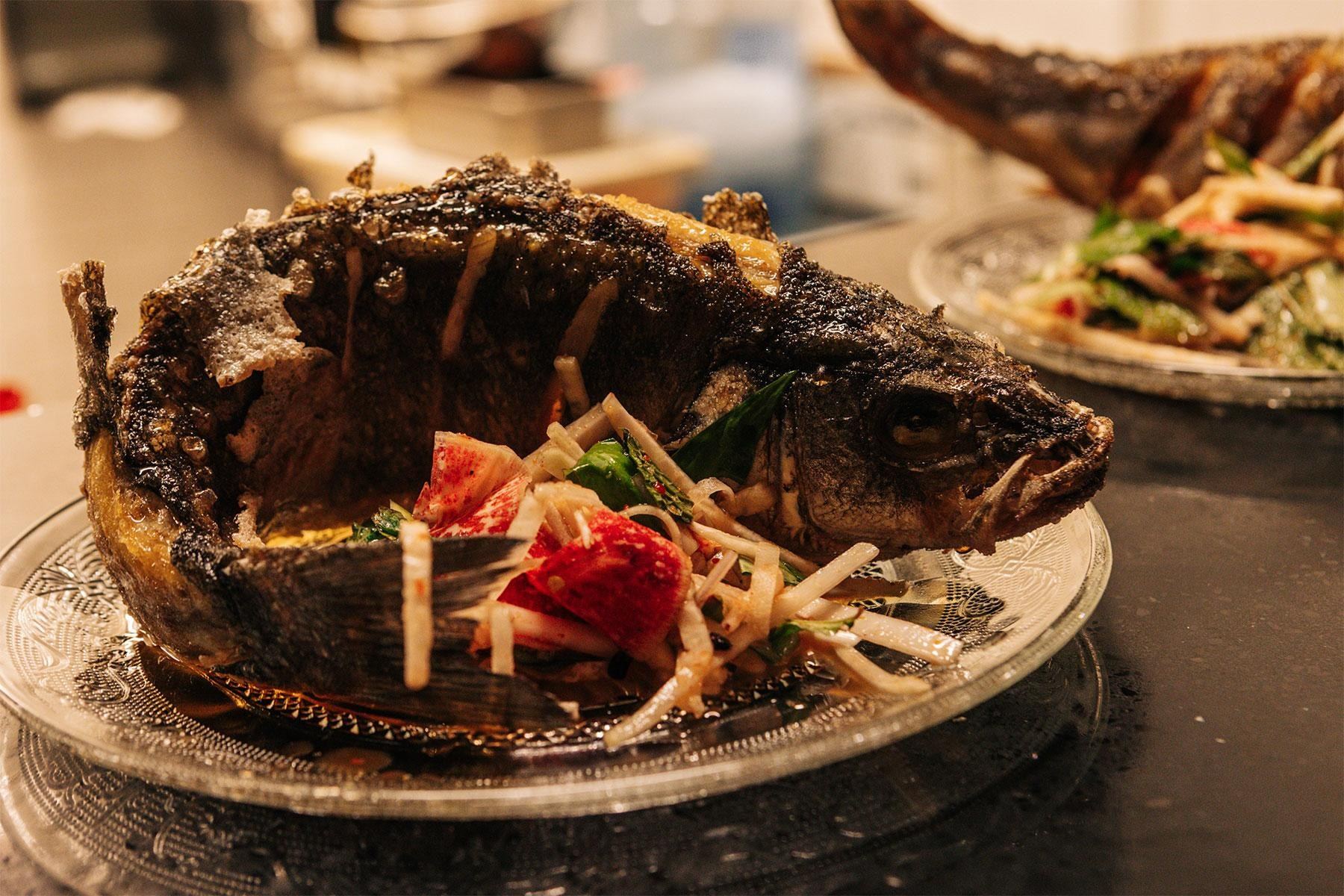
When Chanita Chayaluk opened Taan, her Thai restaurant and wine bar in Chicago, her stated goal was to show the city Thai food that didn’t feel frozen in the 1970s - which is roughly when the first wave of Thai immigration to Chicago arrived, and which is, she says, where much of the Thai food here still feels stuck. The menu she built reflects that ambition: miang, a Northern Thai dish made with fermented tea leaves; whole deep-fried fish in fish-sauce caramel. Dishes with a point of view.
Then the substitution requests started.
What “Midwest Nice” Actually Costs
Chayaluk has a phrase for Chicago’s particular hospitality pressure: “Midwest nice.” The impulse to overaccommodate, to appease. In the early weeks of Taan’s service, guests asked to modify dishes constantly - swapping proteins, removing sauces, adjusting preparations. The kitchen is small. The staff is small. Service started to drag. The guest experience suffered. “It just felt like we were Chipotle,” Chayaluk says.
The breaking point was a request for green curry mussels - without the mussels. Which is to say: a request for green curry, a dish that was already on the menu, worded in a way that framed the restaurant’s actual dish as the defective version of what the customer really wanted.
Chayaluk implemented a limited substitution policy and announced it on Instagram. Fish sauce and shrimp paste, she wrote, are “the fabric that defines our cuisine” - and they would not be removed from any dish that contains them. There is a vegan, gluten-free fried rice available for those who can’t eat other items on the menu. It is, she’s careful to note, substantial and genuinely good. Not an afterthought.
This matters for a relocating reader because the pressure Chayaluk describes doesn’t come from one bad customer. It’s systemic. Fast-casual bowl spots trained diners to treat a menu as a starting point for negotiation. A certain bestselling book about hospitality pushed the “customer is always right” logic to an almost theological intensity. Food influencers, many with large followings and zero culinary training, now review restaurants publicly, which means that a chef declining to remove shrimp paste from a dish can become the subject of a viral complaint within hours. All of that lands on every independent restaurant in every mid-sized American city, whether or not the chef in question has any interest in participating.
The Phoenix Version of the Same Fight
Lom Wong in Phoenix is a Thai restaurant that was named a Michelin Bib Gourmand in August and whose chef, Yotaka “Sunny” Martin, was recognized by the James Beard Awards last year. The recognition brought in a wave of guests who apparently arrived with strong priors about what an award-winning restaurant should look like. Co-owner and chef Alex Martin puts it plainly: “There is a European distinction of what an award-winning restaurant looks like, so people equated that recognition with a white-tablecloth restaurant.”
Lom Wong is not a white-tablecloth restaurant. It is not plating its dishes to meet a European expectation of coursing. Beef may have gristle. Fish arrive whole. These are not oversights.
The restaurant posted its own policy on social media: it would not “make substitutions simply to make a dish more familiar.” Certain dishes might be adjusted - the mango salad can be ordered with shrimp on the side - but beef and shrimp paste stay where they are in dishes that require them. Sunny Martin is described as “the guiding light of cultural context” in these calls; the question she applies is whether changing something would compromise the integrity of the dish.
It’s a useful framework that most restaurants aren’t applying rigorously, which is why so many menus quietly drift toward the middle over time.
Why This Is a Relocation Question
If you’re moving to Chicago or Phoenix - or to any smaller American city with a meaningful population of immigrants who cook the food they actually grew up eating - this fight over substitution policy is a proxy for something larger. It tells you whether a city’s dining culture has enough confidence to support restaurants that don’t apologize for themselves.
Chicago, for what it’s worth, is big enough and old enough to sustain Taan even with a firm substitution policy and occasional Instagram backlash. Whether Phoenix is - whether Lom Wong’s Bib Gourmand bump translates into a permanent customer base that doesn’t need the menu explained to them - is a genuinely open question.
Both restaurants have taken the same approach to managing expectations: tell people before they arrive, train staff to hold the line kindly, and offer a clear alternative for those with genuine restrictions. “We respect your preferences,” Alex Martin says of how Lom Wong explains it to guests. “But they’re your preferences.”
The restaurants that hold that line in a city you’re considering moving to are worth finding early. They’re usually the ones that show you something you couldn’t have eaten anywhere else - which is, depending on why you’re moving, either exactly what you want or a detail you hadn’t thought to look for yet.