In this article
Every city you consider moving to has an official version of itself - the one in the relocation guides, the one the mayor describes at ribbon cuttings - and then there’s the version you encounter at street level. The gap between those two versions is often where your quality of life actually lives.
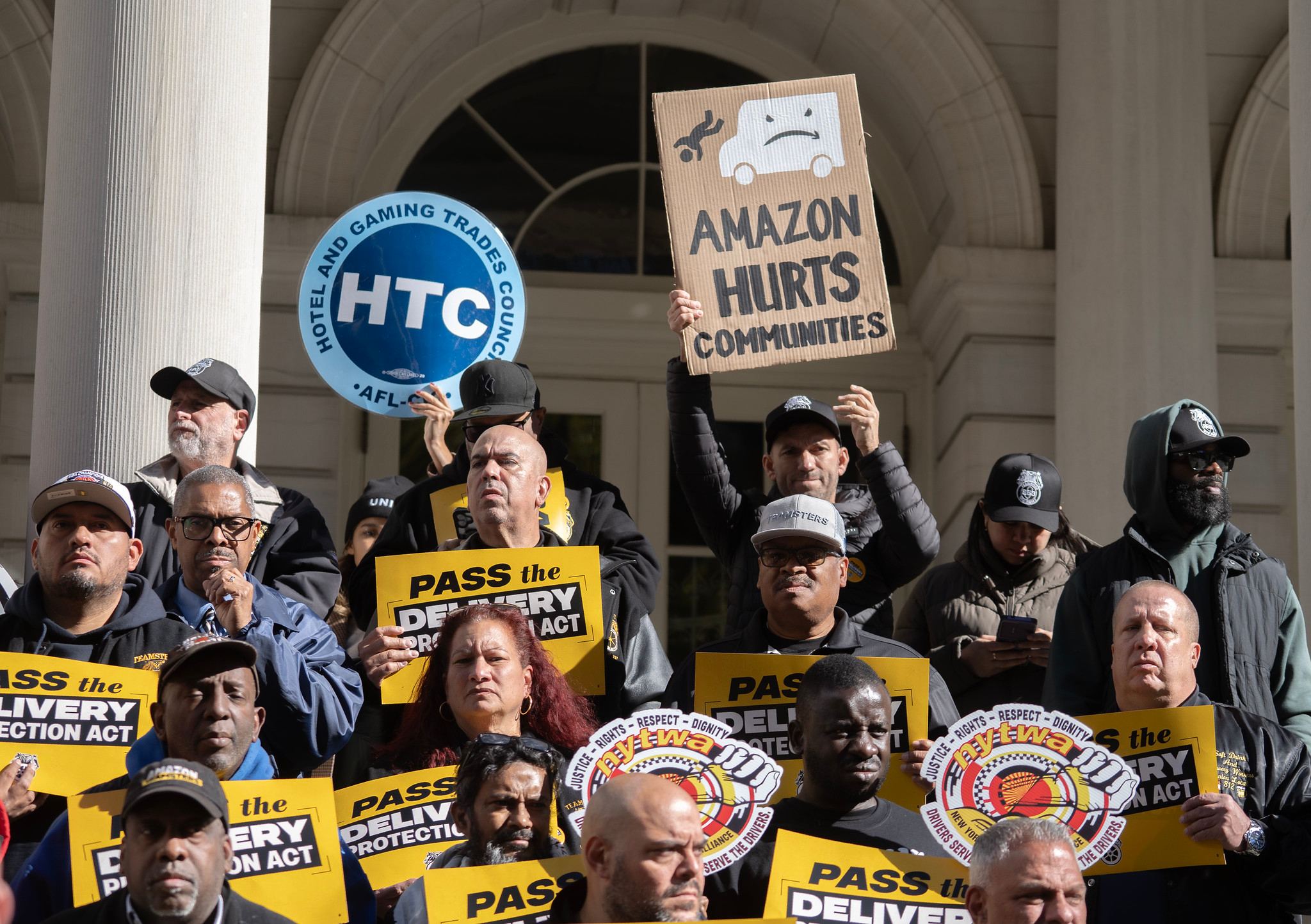
The current fight over New York City’s Delivery Protection Act is a useful illustration of that gap, and it’s more relevant to anyone considering city living than it might appear from the outside.
What the Bill Actually Does
The Delivery Protection Act, introduced by Council Member Tiffany Cabán of Astoria, would require Amazon to obtain a city license governing what types of vehicles it deploys on New York streets. More consequentially, it would eliminate the Delivery Service Partner model - the system by which every Amazon van and cargo bike driver technically works not for Amazon, but for one of thousands of small contractor companies. Supporters of the bill say this structure shields Amazon from liability when a driver causes a crash. Amazon says it’s standard practice - pointing to its longstanding use of UPS, FedEx, and the Postal Service - and that the DSP program, launched in 2018, simply partners with local entrepreneurs to meet demand.
The bill has 34 co-sponsors in the 51-member City Council and the backing of Mayor Zohran Mamdani. It would pass if Speaker Julie Menin brought it to a vote. She hasn’t.
The Bureaucratic Choreography Nobody Explains to You
Here’s the part that matters for anyone thinking about city life: this is how urban policy actually moves, or doesn’t.
Menin was among the original 30-plus Council members who signed on to the bill when it was introduced. Now she says she has “concerns” about its current form and that the city Law Department has sent over “red lines.” She won’t specify what the legal issues are or when they might be resolved.
Teamsters President Sean O’Brien showed up at a City Hall rally on Thursday to call her out by name, saying she had made promises to the labor group that supported her election and wasn’t keeping them. “Keep your promises, don’t fall in love with corporate America,” O’Brien said.
Amazon, for its part, is warning that the bill would raise consumer costs, put DSP businesses out of operation, and cost their employees - described in a statement from company spokesperson Steve Kelly as “local entrepreneurs” and “Delivery Associates” - their jobs. Amazon has also threatened to pull its electric cargo bike fleet from the city if the bill passes.
None of this is resolved. The bill sits on the Speaker’s desk.
Why This Matters If You’re Moving Somewhere
The average “livability” ranking doesn’t measure any of this. It doesn’t tell you how your prospective city handles the conflict between corporate delivery logistics and pedestrian safety. It doesn’t tell you who controls the curb in front of your building, or whether your local council member’s promises survive contact with a well-resourced corporate lobbying operation.
According to data compiled by the Alliance for a Greater New York, Amazon-associated delivery vehicles received 14,290 tickets from cameras and traffic enforcement agents between July 2021 and June 2025. That’s not a moral judgment about Amazon; it’s a data point about what the streets of a city with aggressive last-mile delivery actually look like. Tribeca residents didn’t vote on whether Amazon trucks would routinely occupy their pedestrian bump-outs. That arrangement emerged from a business model, and the business model is now the subject of a political fight that’s been going on for years without resolution.
Every city you consider has equivalents - maybe it’s a warehouse district that generates truck traffic through residential streets, maybe it’s a rideshare policy that shapes whether your neighborhood gets de facto car-free zones or not. The specific issue varies. The underlying dynamic doesn’t.
What to Look For Before You Commit
When you’re evaluating a city or neighborhood, the question isn’t just whether the streets look nice in the listing photos. It’s worth asking who is currently fighting over how those streets get used, and whether anyone with actual power is on the side of the people who live there.
In New York right now, the answer is complicated. A supermajority of the Council and the mayor are nominally aligned on a bill that would give the city more control over one of its biggest corporate presences on public streets. And yet the bill has been sitting since a hearing in April, while the Speaker reviews “red lines” from the Law Department.
That’s not a failure unique to New York. It’s a reasonably accurate portrait of how city governance works when a large corporation with significant consumer reach decides it doesn’t like proposed legislation.
The question worth sitting with, before you sign a lease anywhere: what’s the equivalent fight in that city, and who’s winning?